December 24, 2025
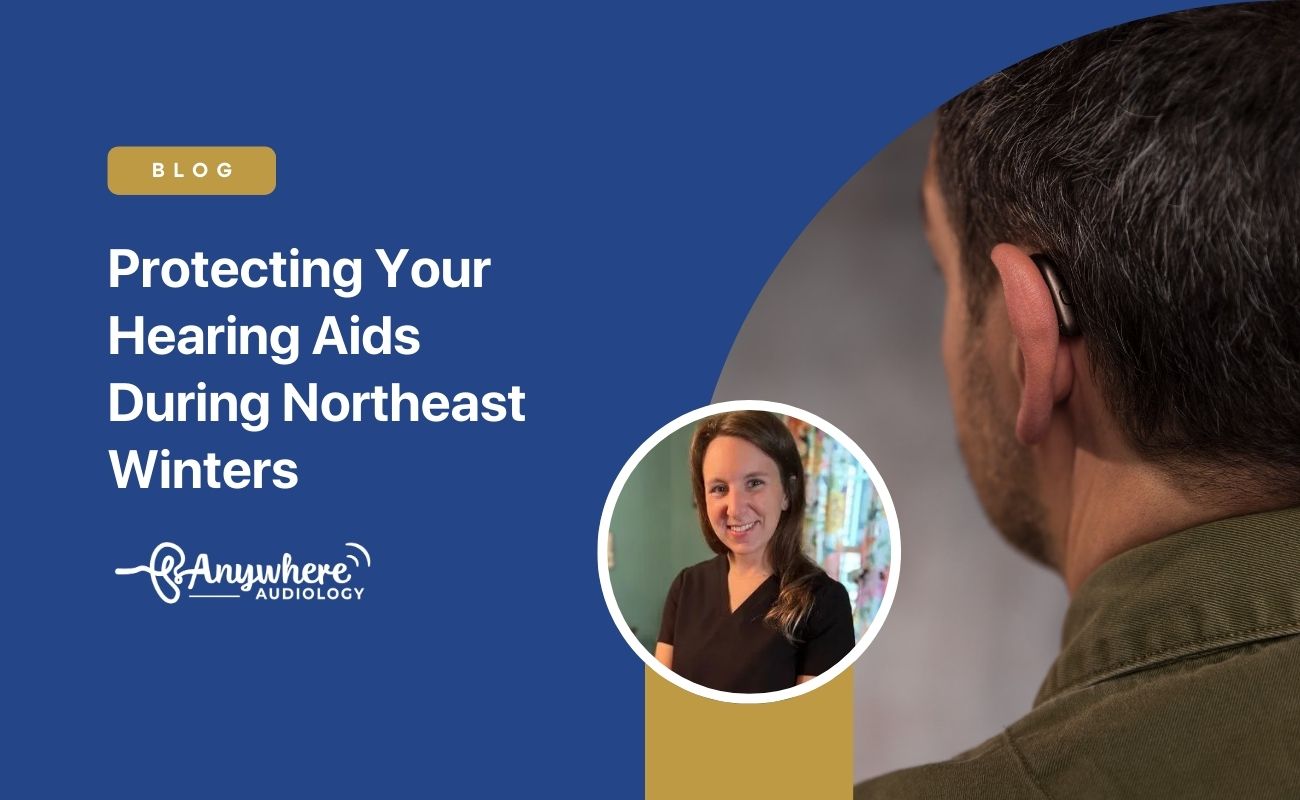
Winter in the Northeast brings its own unique challenges for hearing aid users. Between the bitter cold temperatures that sweep through New York, New Jersey, Pennsylvania, and Connecticut, and the constant transition between heated indoor spaces and frigid outdoor air, your hearing aids face conditions they weren't necessarily designed to handle. Understanding how to protect these devices during the colder months can mean the difference between reliable performance and frustrating malfunctions.
Cold weather itself doesn't typically damage hearing aids, but the moisture that comes with temperature changes does. When you step from your warm home into freezing outdoor air, or when you come inside after shoveling snow, condensation forms on and inside your hearing aids. This moisture can corrode internal components, affect battery performance, and lead to temporary or permanent damage.
Snow and sleet present obvious moisture risks, but many people don't realize that even the moisture from your breath in cold air can accumulate on your devices. The combination of cold temperatures and moisture creates a particularly challenging environment for the sensitive electronics in modern hearing aids.
Start each winter day by checking your hearing aids before heading outside. Make sure they're completely dry and functioning properly. If you notice any moisture from overnight storage, use a hearing aid dehumidifier or drying kit before wearing them.
When venturing outdoors, consider wearing a hat that covers your ears. This serves double duty - keeping your ears warm while providing an extra layer of protection for your hearing aids. Earmuffs can work too, though you'll need to ensure they don't press directly against your hearing aids in a way that causes feedback or discomfort.
Many of our patients across New Jersey and New York find that a simple headband or ear warmer provides adequate protection without the bulk of a full winter hat. The key is creating a barrier between your devices and the harsh winter elements while maintaining a comfortable fit.
The real challenge comes when you move between environments. After coming inside from the cold, resist the urge to immediately adjust your hearing aids if they feel damp or cold. Instead, remove them and let them acclimate to room temperature gradually. Wipe them down with a soft, dry cloth, then place them in a dehumidifier or drying case.
This acclimation period matters more than you might think. Rapid temperature changes can cause condensation to form inside the devices, where you can't easily dry it. Taking five minutes to properly transition your hearing aids can prevent hours of frustration later.
For those of you commuting into Manhattan or traveling around Philadelphia during winter months, keep a small microfiber cloth in your bag specifically for drying your hearing aids. This allows you to quickly address any moisture issues as soon as you reach your destination.
Proper overnight storage becomes even more important during winter. Your bedroom might feel comfortable to you, but heating systems can create varying humidity levels throughout your home. A dedicated dehumidifier designed for hearing aids provides the most reliable protection.
Open the battery door or remove rechargeable hearing aids from their charging case after they're fully charged. This allows air circulation and prevents moisture from being trapped inside the device. Place them in the dehumidifier with the battery compartment facing down to encourage any moisture to drain out.
Some patients prefer electronic drying systems that use gentle heat to remove moisture. Others find simple desiccant-based dehumidifiers work perfectly well. We can discuss which option makes the most sense for your lifestyle and the specific hearing aids you wear.
Cold weather affects batteries differently depending on the type you use. Traditional zinc-air batteries can lose power more quickly in cold temperatures. If you use disposable batteries, consider carrying extras when you'll be spending extended time outdoors. Store spare batteries in an inside pocket where your body heat keeps them at a more stable temperature.
Rechargeable hearing aids have their own cold-weather quirks. The lithium-ion batteries in modern rechargeable devices can experience reduced capacity in very cold temperatures. This doesn't damage the batteries, but you might notice your hearing aids need charging more frequently during winter months.
If you're heading out for an extended period in cold weather, make sure your rechargeable hearing aids start with a full charge. For our patients who spend time skiing in Vermont or walking the boardwalks along the Jersey Shore in winter, we often recommend keeping a portable charging case handy.
Winter air tends to be drier, which means more static electricity. That shock you get touching a doorknob can also affect your hearing aids. Static discharge can damage sensitive electronics, though modern hearing aids include some protection against this.
Reduce static buildup by using a humidifier in your home during winter months. This helps with your comfort and your hearing aids. When removing or adjusting your hearing aids, touch a grounded metal object first to discharge any static electricity you've built up.
Synthetic fabrics tend to generate more static than natural fibers. If you're particularly prone to static shocks, consider what you're wearing when handling your hearing aids. A quick touch to a metal door frame before adjusting your devices can prevent potential problems.
Winter sports and activities require extra consideration. If you enjoy ice skating at Rockefeller Center or sledding with your grandchildren, think about whether you want to wear your hearing aids during these activities. The combination of physical activity, cold air, and potential snow exposure can overwhelm even the best protection strategies.
For snow removal and other outdoor chores, many patients find it practical to remove their hearing aids and store them safely inside. The physical exertion combined with cold air creates significant moisture from perspiration and breath, making it difficult to keep devices dry.
However, we understand that staying connected to sounds around you matters for safety and enjoyment. If you choose to wear your hearing aids during outdoor winter activities, check them frequently and dry them immediately afterward.
Know the warning signs that moisture has affected your hearing aids. Intermittent sound, distortion, or complete failure can all indicate moisture damage. Don't wait to address these issues - the longer moisture sits in your devices, the more damage it can cause.
If your hearing aids get wet from snow or rain, turn them off immediately and remove the batteries if possible. Dry the exterior gently, then place them in a dehumidifier. Don't use external heat sources like hair dryers, which can cause additional damage.
We provide comprehensive hearing aid care throughout the winter months, with the unique advantage of coming directly to your home. This means you don't need to venture out in bad weather for routine maintenance or adjustments. Our audiologists serve communities across New York, New Jersey, Pennsylvania, and Connecticut, bringing professional hearing care to your door regardless of what winter throws at us.
Regular check-ups become especially valuable during winter. We can clean your hearing aids thoroughly, check for any moisture damage, and ensure everything is working optimally before problems develop. Our in-home service makes it easy to maintain your hearing aids properly without the hassle of traveling to a clinic during challenging weather.
Protecting your hearing aids during Northeast winters doesn't need to be complicated, but it does require consistency. Small daily habits - like using a dehumidifier, wiping down your devices, and allowing them to acclimate to temperature changes - can prevent most cold-weather problems.
If you're experiencing issues with your hearing aids this winter, or if you'd like personalized advice about protecting your specific devices, we're here to help. Our team can visit your home to assess your hearing aids, provide professional cleaning, and discuss strategies tailored to your lifestyle and the particular challenges you face.
Call us at (201) 731-8828 to schedule a convenient appointment. We'll work around your schedule and come directly to you, so you can get the hearing aid care you need without worrying about winter weather. Whether you're in Manhattan dealing with slushy sidewalks or in suburban Connecticut managing snow and ice, we bring professional audiology services to your home.


