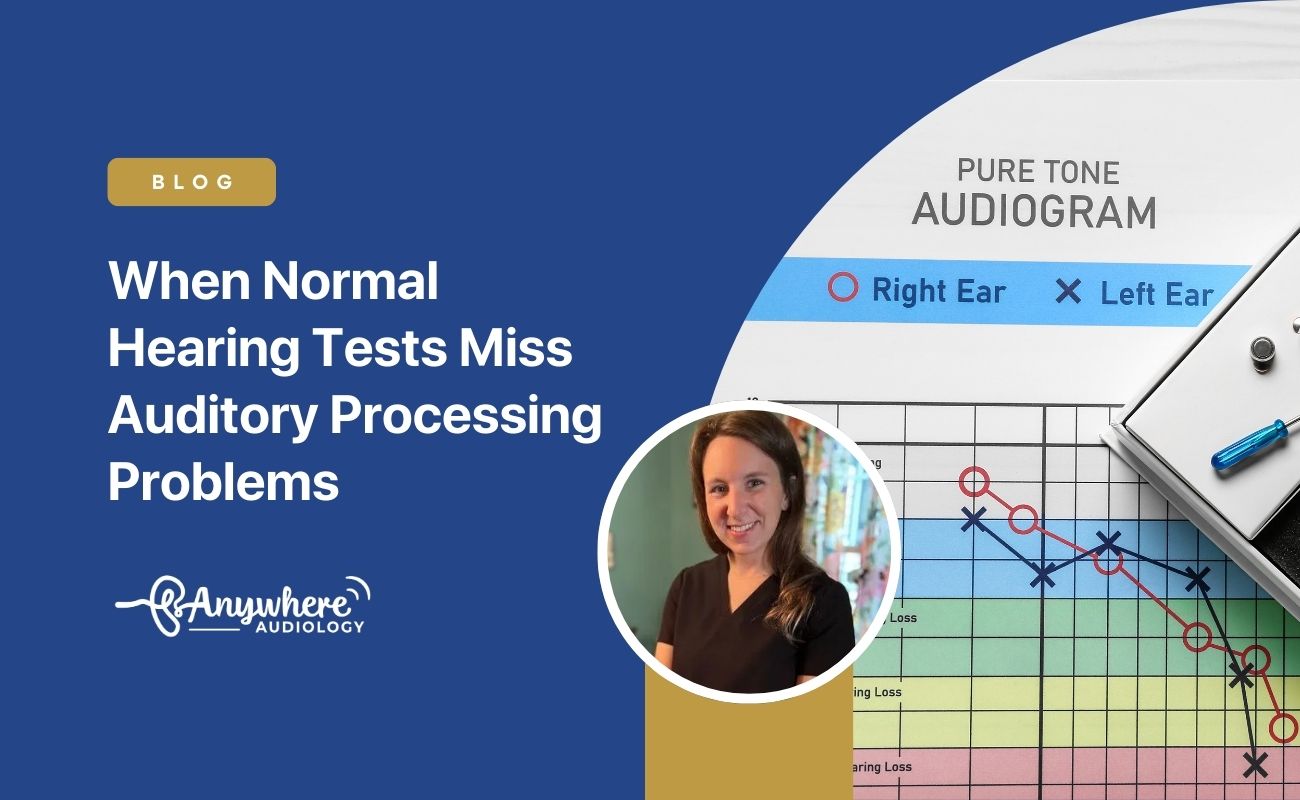
Standard hearing tests miss Auditory Processing Disorder, where normal-functioning ears deliver sound but the brain struggles to decode speech, especially in noise.
Cardiovascular disease reduces blood flow to the cochlea's delicate hair cells, with high blood pressure, high cholesterol, and smoking all increasing hearing loss risk.
Rechargeable hearing aids offer overnight charging convenience and eliminate disposable batteries, while traditional battery models provide instant power replacement and greater flexibility for frequent travelers.
Home hearing aid programming allows real-world testing in actual listening environments, eliminates time pressure, enables family involvement, and removes transportation barriers for better outcomes.
Modern hearing aids feature artificial intelligence, automatic environment adjustment, Bluetooth streaming, rechargeable batteries, and smartphone control for natural, convenient hearing.
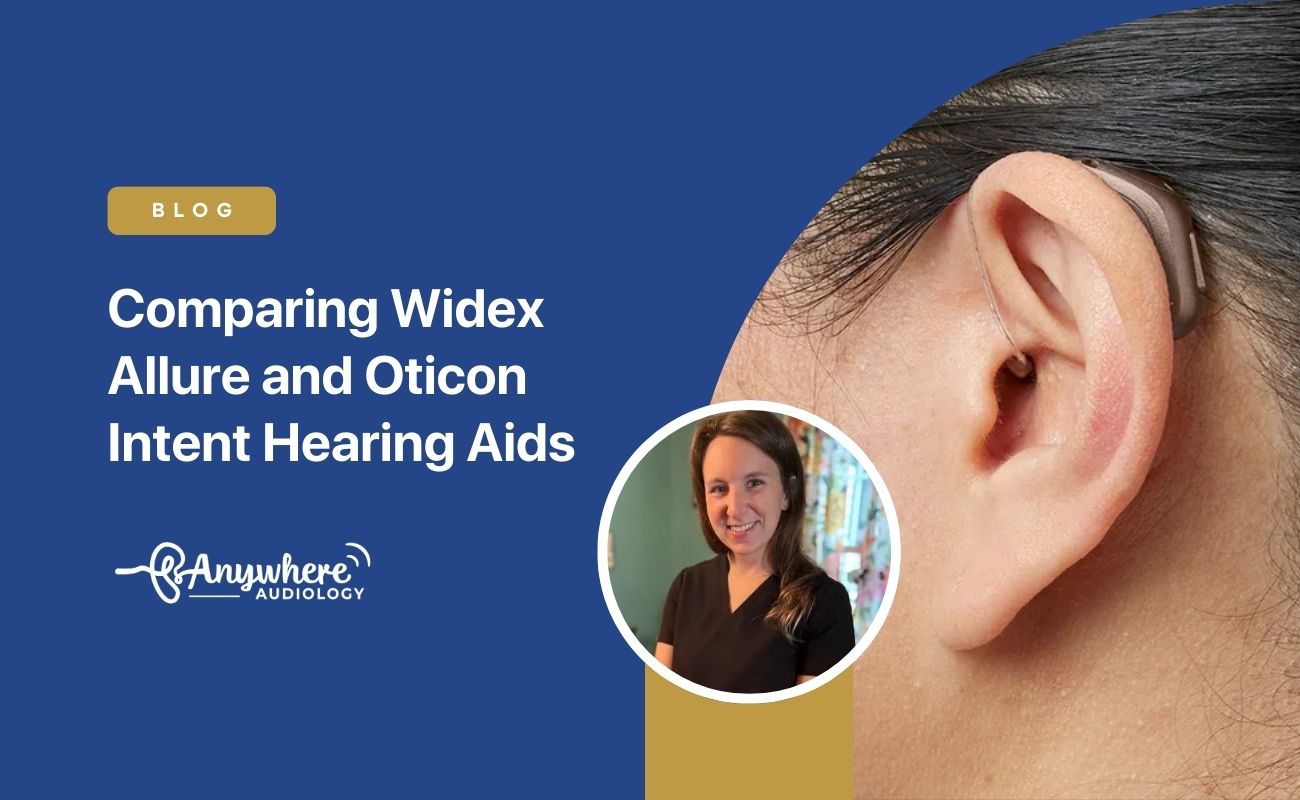
Widex Allure emphasizes natural sound quality with ultra-fast processing, while Oticon Intent uses sensor technology to automatically adapt to your listening intentions.
Winter worsens tinnitus through reduced blood flow from cold, barometric pressure changes, seasonal illness, dry indoor air, increased stress, and decreased physical activity.
Northeast winters threaten hearing aids through condensation from temperature changes, requiring daily dehumidification, gradual indoor-outdoor transitions, proper storage, and protection from moisture and static.
In-home tinnitus treatment allows audiologists to assess and program solutions in real environments, reducing stress and enabling immediate adjustments for better outcomes.